


The retail store flooring you choose is more than just a surface for customers to walk on. It's a fundamental element of your store's design that can subtly yet significantly influence customer behavior, impacting everything from browsing time to purchasing decisions.
Understanding how different retail store flooring options affect shoppers can give your business a competitive edge, creating an environment that encourages engagement and drives sales. Learn more with Capitol Carpet & Tile and Window Fashions® in Boca Raton, FL, Boynton Beach, FL, Wellington, FL, Palm Beach Gardens, FL, and Delray Beach, FL today!
The Psychological Impact of Retail Store Flooring
The retail store flooring underfoot can trigger subconscious psychological responses in customers, influencing their mood, perception of the store's brand, and even their physical behavior within the space.
Perception of Value:
Certain flooring materials can convey different levels of luxury and value. For instance, high-end tile or polished concrete might suggest a premium brand, while more budget-friendly options could align with a discount retailer.
Mood and Comfort:
The feel of the retail store flooring can affect customer comfort levels. Softer surfaces like carpet in specific areas might encourage lingering, while harder surfaces might suggest efficiency and a quicker shopping experience.
Navigation and Flow:
Changes in flooring type or pattern can subtly guide customers through the store, highlighting specific areas or departments and influencing their path.
Brand Identity:
The retail store flooring can reinforce your brand's personality. A natural wood floor might suit an eco-conscious brand, while a sleek, modern epoxy floor could align with a tech-focused retailer.
How Different Retail Store Flooring Types Influence Behavior
The material, color, pattern, and texture of your retail store flooring each play a role in shaping consumer behavior:
Hardwood Flooring
Impact:Commercial hardwood floors convey a sense of quality, warmth, and sophistication. Can encourage a more leisurely browsing pace and is often associated with higher-end retailers.
Behavioral Cues: Customers might perceive the store as more upscale and be more willing to consider higher-priced items. The natural beauty can create a more inviting and comfortable atmosphere.
Considerations: Can be expensive and may require more maintenance in high-traffic areas. Can also be noisy.
Tile Flooring (Ceramic, Porcelain, Stone)
Impact: Projects durability, cleanliness, and a sense of permanence. Commercial tile can be used to create distinct zones within a store through variations in color, size, and pattern.
Behavioral Cues: Can suggest a modern, efficient, or even artistic environment, depending on the style. Different tile patterns can subtly direct foot traffic.
Considerations: Can be hard underfoot, potentially leading to quicker fatigue. Some types can be slippery when wet.
Concrete Flooring (Polished, Stained)
Impact: Offers a contemporary, industrial, and often minimalist aesthetic. Can be very durable and is easy to maintain.
Behavioral Cues: Can appeal to a younger, trendier demographic and suggest a no-fuss, straightforward shopping experience. Stained concrete can add visual interest and define zones.
Considerations: Can feel cold and impersonal if not balanced with warmer design elements. Can also be hard underfoot.
Carpet Flooring
Impact:Commercial carpet flooring creates a sense of warmth, comfort, and sound absorption. Can encourage customers to linger longer in specific departments, such as apparel or home goods.
Behavioral Cues: Promotes a more relaxed and intimate shopping experience. Can make customers feel more at ease and willing to browse.
Considerations: Can be more challenging to clean and maintain, especially in high-traffic areas or where spills are likely. Wear and tear can be more visible.
Vinyl Flooring (LVT, LVP)
Impact:Commercial LVT and LVP are highly versatile, offering a wide range of styles that can mimic wood, tile, or stone at a lower cost. Can be durable and easy to maintain.
Behavioral Cues: The impact depends heavily on the chosen style. Wood-look vinyl can evoke warmth, while tile-look can suggest cleanliness. Its practicality can appeal to budget-conscious shoppers.
Considerations: The perceived quality might not be as high as natural materials.
Specialty Flooring (Rubber, Epoxy)
Impact: Often used in specific retail environments due to their functional benefits (e.g., safety in gyms, durability in workshops). Epoxy can offer a sleek, modern look.
Behavioral Cues: Rubber flooring suggests safety and resilience, while epoxy can convey a high-tech or industrial feel.
Considerations: May have a more niche appeal depending on the retail sector.
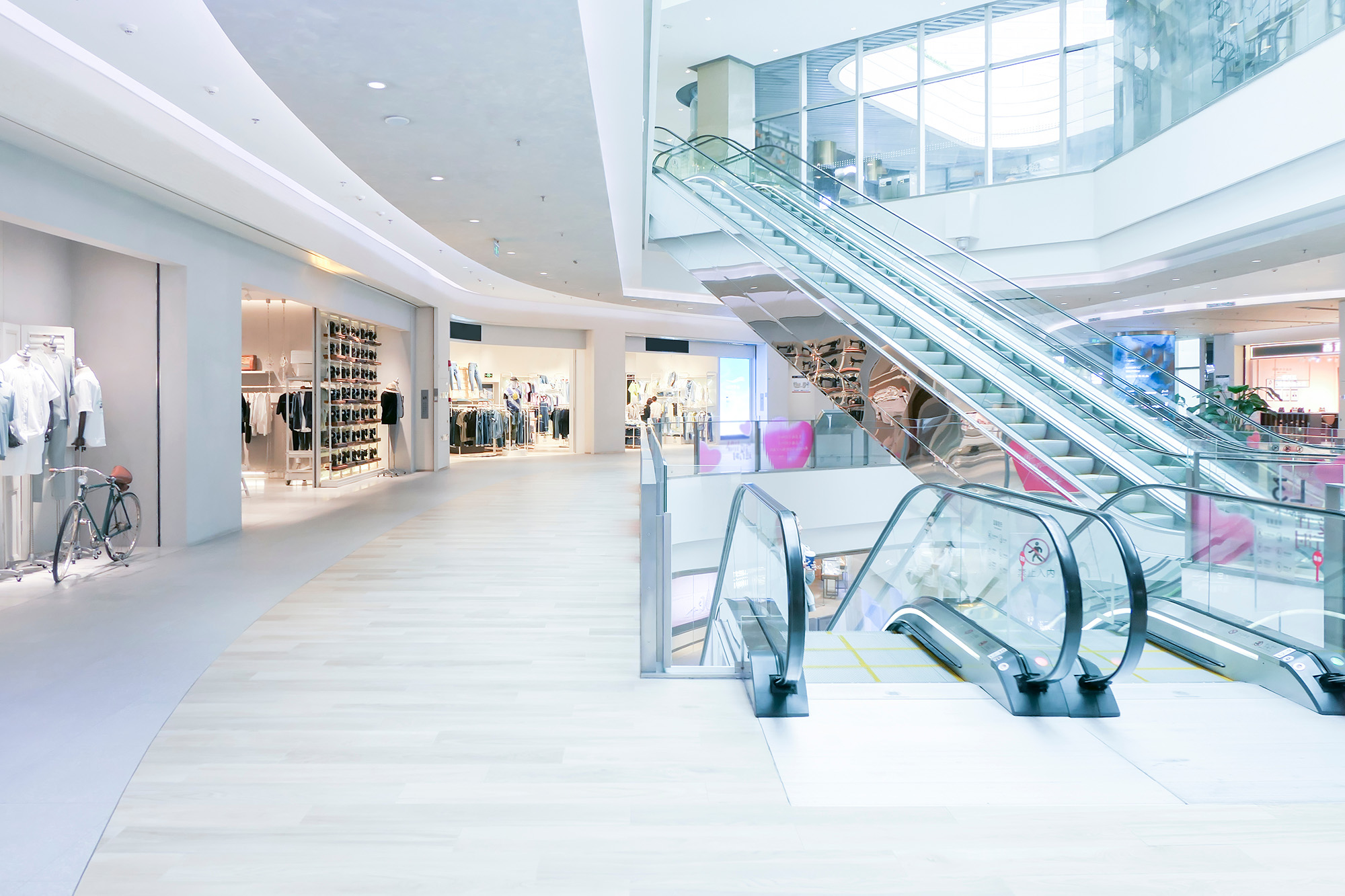
Strategic Use of Retail Store Flooring to Influence Behavior
Beyond the material itself, the strategic application of retail store flooring can further shape customer behavior:
- Defining Zones: Using different flooring types or patterns can clearly delineate different departments or areas within the store. For example, carpet in a fitting room area can create a more intimate space compared to the tile in the main walkway.
- Guiding Foot Traffic: Changes in flooring color, texture, or pattern can subtly guide customers along a desired path through the store, leading them past key product displays or promotions.
- Highlighting Key Areas: Using a visually distinct flooring in a specific area can draw attention to featured products or special offers.
- Creating Transitions: Smooth transitions between different flooring types are crucial for maintaining a comfortable and seamless shopping experience. Abrupt changes can be jarring and disrupt flow.
- Considering Sensory Experience: The tactile feel of the retail store flooring underfoot can contribute to the overall sensory experience of the store.
Flooring is the Silent Salesperson
Your retail store flooring is a powerful, often underestimated, element of your store's design. By carefully considering the psychological impact of different materials, the strategic use of patterns and zoning, and the overall sensory experience, you can choose flooring that not only looks appealing but also subtly influences customer behavior in ways that benefit your business. Investing in the right retail store flooring is an investment in creating a more engaging, comfortable, and ultimately, more profitable shopping environment.
Call or visit Capitol Carpet & Tile and Window Fashions®. We have showroom locations in Boca Raton, FL, Boynton Beach, FL, Wellington, FL, Palm Beach Gardens, FL, and Delray Beach, FL. We service the areas of Palm Beach, Broward & Martin Counties. We are Florida's Best Source For Flooring & Design.


