


When selecting new flooring, it's easy to focus on the surface color and material. However, a crucial, often overlooked element that profoundly impacts a room's ambiance is the warm vs cool flooring undertones. These subtle hues, embedded within the main color, dictate how your flooring interacts with wall colors, furniture, and natural light, ultimately shaping the entire feel of your space. Ignoring them can lead to a disjointed look, while understanding them unlocks design harmony.
At Capitol Carpet & Tile and Window Fashions®, we believe flooring undertones are an essential factor in creating a cohesive and inviting environment in your Palm Beach, Broward & Martin Counties home. Our design experts are here to help you make informed decisions.
What are Warm vs Cool Flooring Undertones?
Undertones are the subtle colors that lie beneath the dominant surface color of your flooring. They're like the base note in a fragrance – not always immediately obvious, but they heavily influence the overall impression.
- Warm Undertones: These floors will have hints of red, orange, or yellow. Think golden oaks, honey browns, reddish cherries, or terracotta tiles. They evoke a sense of coziness, comfort, and traditional warmth.
- Cool Undertones: These floors will lean towards hints of gray, blue, or green. Examples include ash grays, whitewashed woods, muted taupes, or cool-toned stone and concrete look tiles. They create a sleek, calm, and contemporary feel.
- Neutral Undertones: Less common, but some floors have a balanced mix of warm and cool, offering more flexibility in design. They often appear as true browns or balanced grays without strong dominant undertones.
Identifying Warm vs Cool Flooring Undertones
Identifying undertones can be tricky, especially in different lighting conditions. Here are some tips:
- Compare Samples: Place your flooring sample next to a pure white piece of paper or a true gray. This helps to isolate the underlying colors.
- Observe in Different Lighting: Natural light, incandescent light, and LED light can all affect how undertones appear. Look at samples at various times of day.
- Look for the Dominant Hint: Does it lean yellow, orange, or red? That's warm. Does it lean blue, green, or strong gray? That's cool.
The Impact of Warm vs Cool Flooring Undertones on Your Home's Aesthetic
The choice between warm vs cool flooring undertones sets the stage for your entire interior design.
Warm Undertones: Creating Coziness and Tradition
- Feel: Inviting, cozy, traditional, rustic, comforting, rich.
-
Best Paired With:
- Wall Colors: Earth tones, creamy neutrals, soft yellows, warm beiges, olive greens, and warm grays.
- Furniture & Decor: Rich woods (walnut, mahogany), leather, natural fibers (wool, linen), antique pieces, brass or bronze accents.
- Lighting: Soft white or amber bulbs enhance the cozy factor.
- Ideal for: Farmhouse, rustic, traditional, transitional, or bohemian design styles. Can make large, open rooms feel more intimate.
Cool Undertones: Embracing Modernity and Serenity
- Feel: Sleek, modern, airy, calm, sophisticated, minimalist.
-
Best Paired With:
- Wall Colors: Crisp whites, cool grays, soft blues, sage greens, navy, and charcoal.
- Furniture & Decor: Light woods (maple, birch), glass, metal, chrome, marble, contemporary pieces, minimalist designs.
- Lighting: Cooler white or daylight bulbs complement the modern vibe.
- Ideal for: Modern, minimalist, Scandinavian, coastal, or industrial design styles. Can make smaller rooms feel larger and more open by reflecting more light.
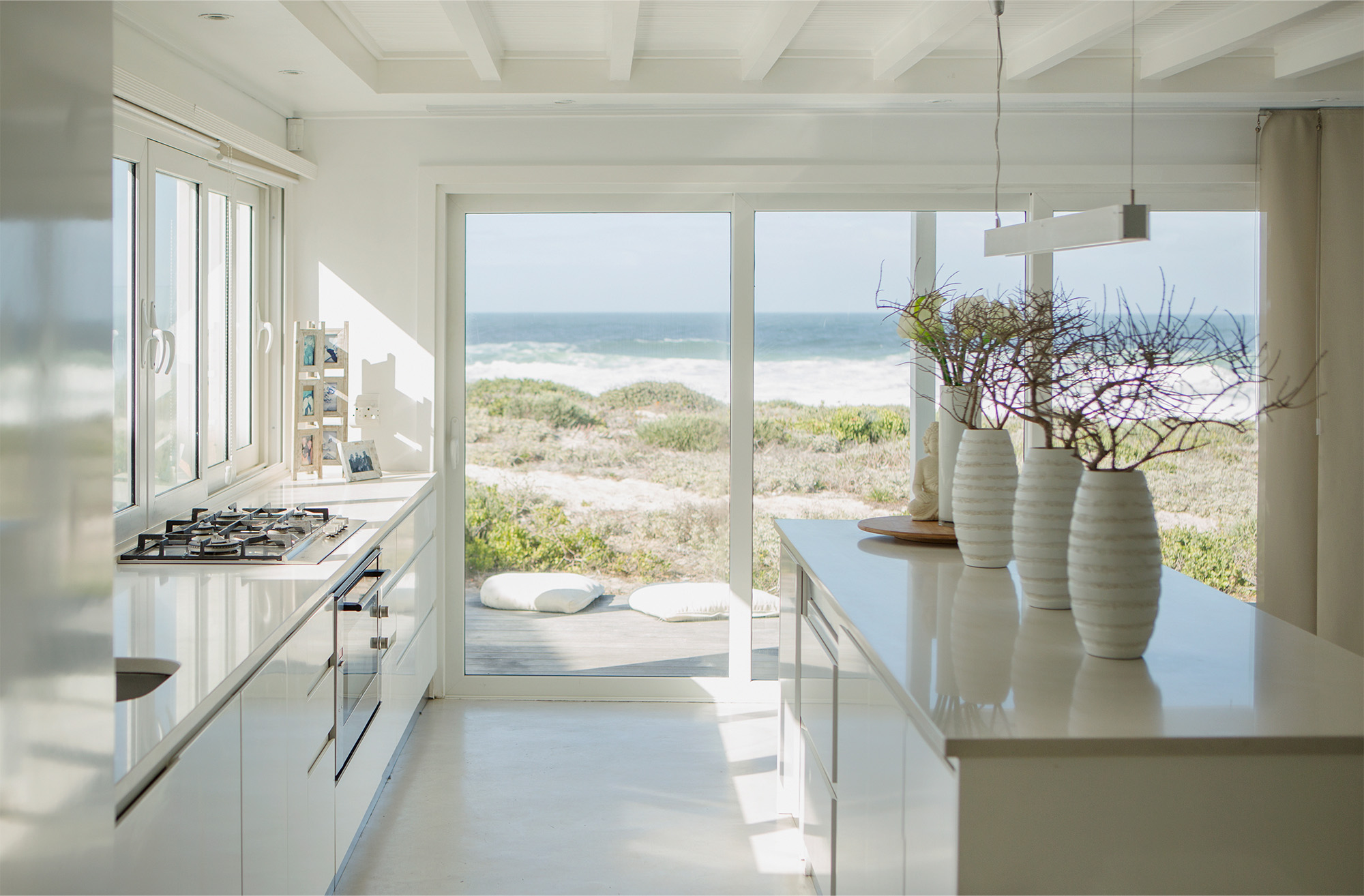
Blending Warm & Cool Flooring Undertones Together
While it's easiest to stick to one dominant undertone throughout your core elements (flooring, walls), you absolutely can blend warm and cool elements effectively to add depth and interest. The key is to have a dominant undertone and use the opposing one as an accent.
- Example 1: Cool-toned floors with warm-toned furniture (e.g., an ash gray LVP floor with a cognac leather sofa and a dark wood dining table).
- Example 2: Warm-toned floors with cool-toned textiles and accents (e.g., a golden oak hardwood floor with a slate gray rug, navy throw pillows, and brushed nickel hardware).
Beyond the Floor: The Interplay with Other Elements
Remember that flooring undertones don't exist in a vacuum. They interact with:
- Wall Paint: The most significant partner. A cool-toned floor with a warm-toned wall can clash or feel off-balance if not carefully chosen.
- Lighting: Natural light greatly influences how colors appear. North-facing rooms tend to have cooler light, while south-facing rooms have warmer light. Artificial lighting also plays a role.
- Furniture & Textiles: These elements can either reinforce or contrast your flooring's undertone.
- Fixed Elements: Cabinets, countertops, and trim also have undertones that need to be considered.
Choosing flooring based on its undertones ensures that your entire home feels harmonious and thoughtfully designed, rather than a collection of disparate elements. It’s an investment in the long-term aesthetic appeal and comfort of your living space.
Design Harmony & High-Quality Flooring Starts at Capitol Carpet & Tile and Window Fashions® in Palm Beach County
Don't let the subtle nuances of warm vs cool flooring undertones overwhelm you. At Capitol Carpet & Tile and Window Fashions®, our design experts are passionate about helping you achieve a cohesive and beautiful interior. We'll guide you through our extensive selection, helping you identify the perfect undertones to match your vision and create the atmosphere you desire. Call or Visit Capitol Carpet & Tile and Window Fashions®. We have showroom locations in Boca Raton, FL, Boynton Beach, FL, Wellington, FL, Palm Beach Gardens, FL, and Delray Beach, FL. We service the areas of Palm Beach, Broward & Martin Counties. We Are Florida's Best Source For Flooring & Design.


